

What should I do in my South African garden during winter (July & August)

Mid-winter in South Africa is a quiet time in the garden, either icy, soggy or just quiet. Many of us peek out from our windows thinking “There’s no way I’m going out there!”. But a little effort now reaps rich rewards come Spring.
Although the garden looks dormant, your plants are quietly preparing themselves for the upcoming warmer months. With the right winter care, you can keep things alive and even thriving. Here are our top winter gardening tasks for July and August.
How can I keep my garden healthy during the South African winter?
Watering and Weather
Too much rain?
- Check on your pots- they might be flooded. Lift them up onto bricks or pot-feet to allow better draining of water.
- Tip pots on their sides to drain water, possibly move them under cover until Spring.
- Turn your irrigation system off, let nature do the watering.
Under trees still dry?
- A foliage canopy of leaves can block rain, check your soil moisture below.
Not enough rain?
- Provide additional water to support your plants, especially pots and plants under cover.
Frosty and cold?
-
- Protect plants with fleece or net cover.
- Cover the soil with a mulch layer.
What should I remove or add to my garden in July?
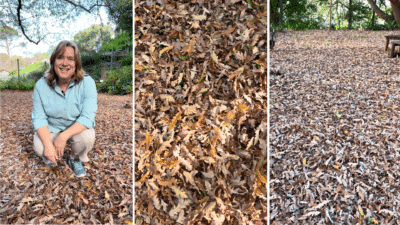 Remove:
- Weeds: they’re easier to pull out in moist soil and don’t let them go to seed! Garden Lore “One year’s seed is seven years of weed”.
- Spent flowers and dead leaves or branches.
- Fallen leaves smothering lawns and plants. But if covering bare soil – “Leaf them be”.
Snails, more easily found after rain showers. Biogrow Ferramol is a safe way to control snails and slugs.
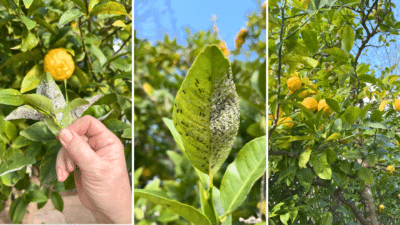
Add:
- Layers of green (grass and plant trimmings) and brown (dead twigs and a small number of leaves) to your compost heap/bin.
- Cardboard and Straw to cover your wet compost heaps, keeping the heat in.
- Compost as a mulch to protect exposed garden soil from rain compaction or run-off.
- Use Biogrow products or similar organic treatments for preventative fungal and pest management (mildew, mealybug, aphids, caterpillars and scale).
Too many leaves?
Raked up leaves which can become slimy if packed too heavily on soil or compost can instead be stored separately in closed bags until Spring, turning into a beautiful dark spongy humus – perfect for potting up.
What plants should I prune in July or August in South Africa?
Inspect
Deciduous ornamental trees and fruit trees carefully, as while bare of leaves you can clearly see.
Using the 5 D’s method prune away branches that are:
- Direction: Crossed, rubbing, growing inwards and overcrowded
- Diseased: Showing signs of infection, fungus, or weakness
- Dying: Visibly declining, brittle, or past their prime
- Dead: No longer living; these branches are dry, brittle, often grey or hollow inside, and won’t produce any new growth
- Not Desired: Too long, awkward, or disrupting the plant’s shape or balance
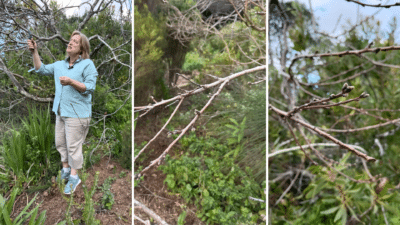
Prune back hard (more than 1/3) some of these deciduous shrubs, climbers and perennials:
- Berries
- Hydrangeas
- Plectranthus
- Roses
- Salvia
- Vines
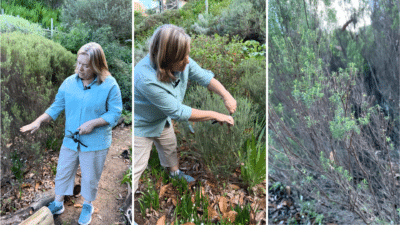
Lightly prune (only a 1/3) evergreen trees and shrubs (except spring-flowering ones), including fynbos to shape and remove all straggly growth.
Pruning best practices
- Use clean sharp tools.
- Always cut at an angle away from a bud.
- Never cut back into old wood unless there’s some green (leaf or bud) below.
Unsure? Don’t cut more than 1/3 of the growth or prune only half the plant, finishing the balance only when it’s resprouted.
What can I grow in South Africa during winter?
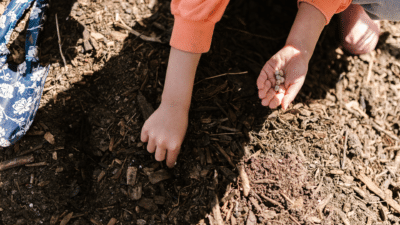
Plant seedlings of cool-season vegetable crops:
Grow indoors:
- Mushrooms,fun & surprisingly gourmet!
- Microgreens and fresh herbs in sunny kitchen spots.
Propagate:
- Make cuttings from pruned plants.
- Nurture them with Kelpak and rooting hormone, consider using a heat mat.
- Keep in a bright, undercover area sheltered from rain and cold, a propagator box works well.
How do I take care of indoor plants during winter?
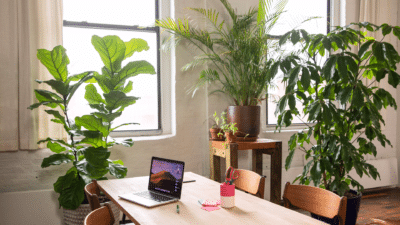
Indoor plants feel the winter blues too!
Avoid:
- Cold draughts and windows.
- Hot spots near heaters.
- Letting drip trays stay full (causes root rot).
Which hardy indoor plants grow well in South African homes?
- Chlorophytum (Spider Plant)
- Ficus
- Philodendrons
- Pothos
- Succulents
What are the best indigenous South African plants to grow indoors?
- Asparagus densiflorus
- Clivia
- Draceana aletriformis
- Mackaya bella
- Psychotria capensis
Terrariums: Create a whole ecosystem of nature encased in a glass container.
Tips:
- Move sensitive plants to warmer spots in your home.
- Cover the pot soil with coir-chips, pebbles or fine mulch.
- Talk to your plants- they’re filtering your air and lifting your spirits.
How should I prepare my garden for spring in South Africa?
August is the gardener’s signal to renew, resume and rejoice.
Checklist:
- Start sowing seeds: herbs, tomatoes, leafy greens and summer bulbs.
- Feed your soil with compost or Talborne Organics products.
- Divide overgrown perennials & grasses.
- Refresh containers with compost or new potting mix.
- Sharpen, oil and clean your garden tools.
- Plan your spring planting layout now to save time later.
Is it worth gardening in winter?
Absolutely! There’s more to do than imagined to create a Spring celebration with healthy, happy plants.
Take inspiration from your plants: bulbs and annuals are sending out shoots and flower buds, full of hope and anticipation of warmer seasons to come.
TerraHub has everything you need to keep your garden thriving through winter!
Want a FREE July-August Garden Checklist for South Africa? Download it here!
Pop it on your fridge or garden shed door and tick off your winter chores as you go.
Written by Cherise Viljoen- Master Horticulturist for TerraHub.
